



Sun Damage: UV Protection Isn't 100%
In dermatology, the most important conversations are not about fear—they are about clarity.
A recent Medscape commentary by Misty Eleryan, MD (double board-certified dermatologist, Mohs surgeon, and Assistant Clinical Professor at George Washington University) and Adam Friedman, MD (Professor and Chair of Dermatology at GW School of Medicine and Health Sciences, with over 340 publications) highlights a growing clinical problem: patients are being driven away from effective sunscreen use by misinformation and toward unsafe alternatives.
The issue is not curiosity—it is confusion between hazard and real-world risk.
Sunscreen ingredients may be detected in the bloodstream, but absorption alone does not equal harm. Meanwhile, the risks of ultraviolet radiation are not theoretical—they are established: DNA damage, photoaging, and skin cancer.
When patients replace sunscreen with coconut oil or homemade mixtures, they are not reducing risk—they are removing protection entirely.
From a dermatologist’s perspective, this is where the conversation must evolve.
Sun protection is only the first step. Management of sun damage requires correction at the skin level.
This is where retinol and antioxidants become essential.
- Retinol remains one of the most clinically validated ingredients for reversing photodamage, improving texture, and supporting collagen regeneration 1.
- Topical antioxidants—including vitamin C, vitamin E, and polyphenols—help neutralize oxidative stress generated by UV exposure and support cellular recovery 2.
Together, they address what sunscreen cannot fully prevent:
- Residual oxidative damage
- Collagen breakdown
- Early photoaging changes
This is not trend-based skincare. It is biologic repair.
The takeaway is simple and clinically grounded:
- Sunscreen is necessary—but not sufficient
- Ingredient fear should never outweigh known UV risk
- Skin requires both protection and correction
In practice, the most effective approach is not choosing between products—but understanding how they work together.
Because skin does not respond to headlines.
It responds to science.
Sources:
- Topical retinoids in the management of photodamaged skin: from theory to evidence-based practical approach. The British Journal of Dermatology, 2010
- Cutaneous photodamage, oxidative stress, and topical antioxidant protection. Journal of the American Academy of Dermatology, 2003
Read more

Gary Williams’ recent The Sensitive Skin Standard article published on LinkedIn underscores a familiar industry pattern: consumers have been trained to recognize ingredients, often mistaking that r...
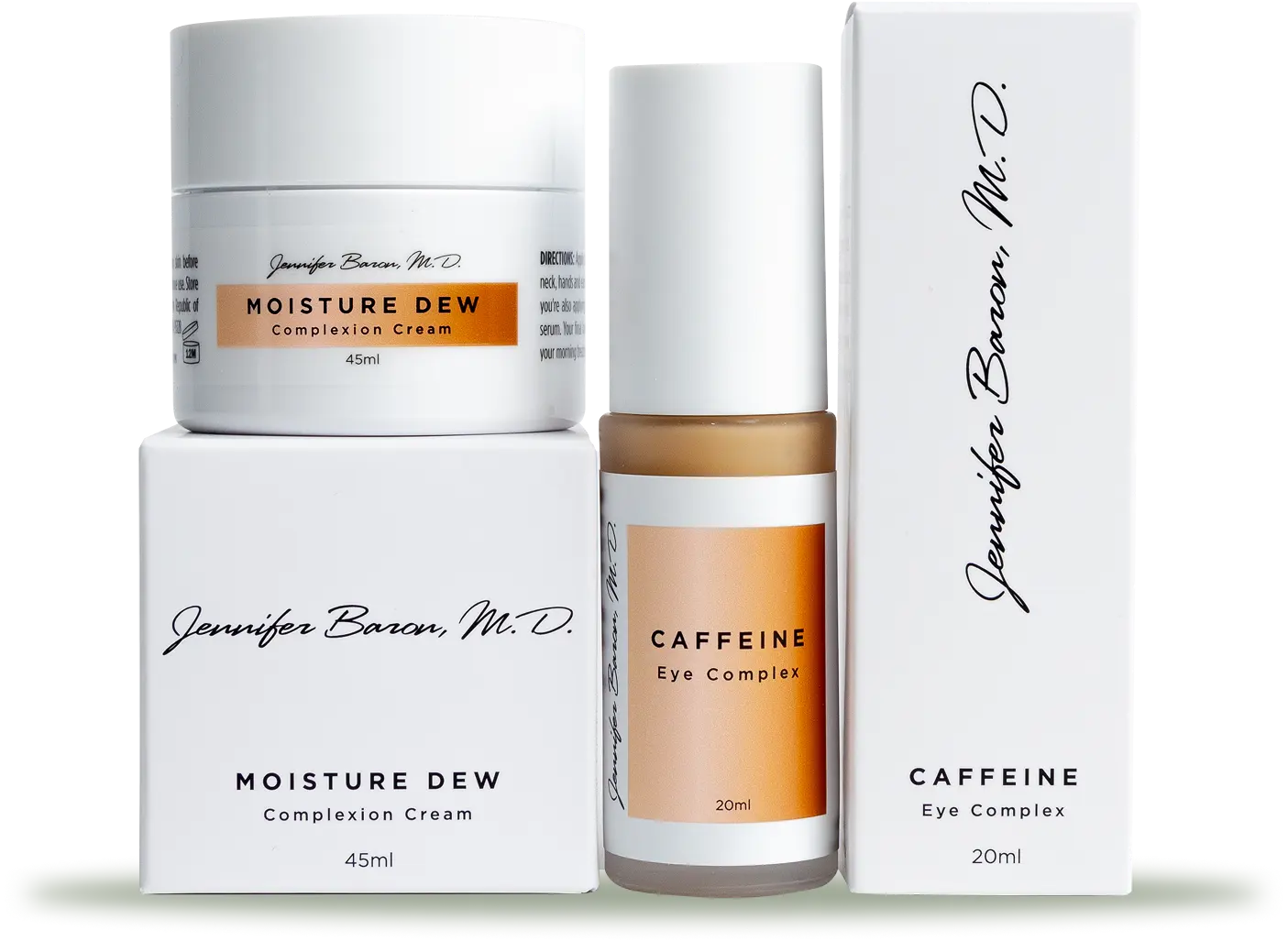
Medical-grade skincare isn’t a regulated label—it’s a standard. It refers to products formulated with clinically relevant ingredients, effective concentrations, and dermatologist-driven design to s...
Leave a comment
This site is protected by hCaptcha and the hCaptcha Privacy Policy and Terms of Service apply.